How Pune's Infrastructure Is Reshaping Commercial Real Estate
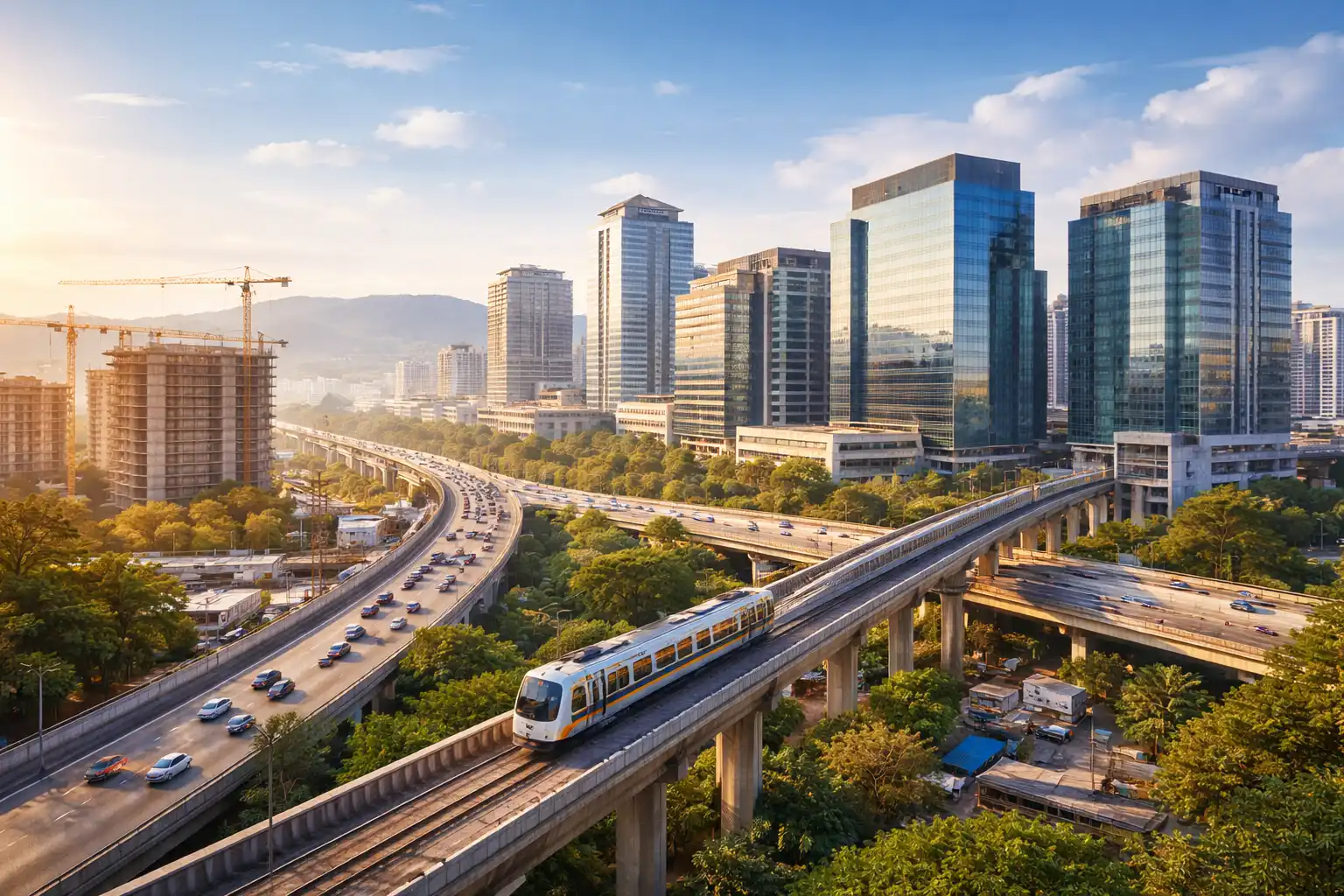
Pune's rapidly evolving infrastructure is playing a defining role in reshaping the city's commercial real estate landscape. In 2025, enhanced connectivity, large-scale public projects, and sustained economic growth are positioning Pune as a preferred destination for businesses, investors, and developers alike. These developments are not only improving mobility but also influencing where and how commercial activity is growing across the city.
Metro and Road Projects Driving Connectivity
Major infrastructure initiatives such as the expanding Pune Metro network, the proposed 170+ km Ring Road, and a series of new flyovers are significantly reducing travel time and easing congestion across key corridors.
The Pune Metro, particularly the Hinjewadi–Shivajinagar corridor, has emerged as a strong catalyst for commercial growth. Metro-adjacent locations are witnessing increased business interest, with commercial leasing activity and rental values reportedly rising by 10–25% along these routes. At the same time, the Ring Road and upgraded expressways are improving access to previously peripheral areas such as Wagholi, Pirangut, and parts of Kharadi, turning them into viable commercial investment zones. Some of these micro-markets are experiencing annual appreciation rates of up to 18%.
Emerging Hotspots and Micro-Markets
Improved infrastructure has accelerated demand in established business districts including Kharadi, Hinjewadi, Baner, and Viman Nagar. These areas are seeing strong leasing momentum and consistently low vacancy levels due to better accessibility and proximity to IT and employment hubs.
The availability of large, well-planned Grade-A office spaces is further driving interest from sectors such as IT, BFSI, and managed office operators, reinforcing these locations as long-term commercial anchors.
Growth of Mixed-Use and Integrated Developments
In response to infrastructure-led demand, developers are increasingly focusing on mixed-use and integrated developments that combine office, retail, and residential components within a single ecosystem.
Such projects appeal to startups, technology firms, and multinational companies that value operational efficiency and reduced commute times. Proximity to transit corridors, education institutions, and healthcare infrastructure further enhances the attractiveness of these developments, supporting sustained occupancy and value appreciation.
Rise of Co-Working and Flexible Workspaces
The growth of co-working and flexible office spaces is closely tied to Pune's improving infrastructure. Locations near metro stations and major road networks are becoming preferred hubs for flexible workspace providers, catering to startups, remote teams, and businesses in expansion mode.
This shift is contributing to higher occupancy levels and strengthening rental yields in well-connected commercial zones.
Investment Trends and Return Potential
Commercial properties located close to metro stations and major road projects are delivering stronger performance in terms of rental yields, typically in the range of 6–8%, along with lower vacancy risks. These factors are drawing increased interest from institutional investors, including REITs, which in turn are improving market liquidity and exit options.
Infrastructure-led development is also encouraging long-term investment strategies, as connectivity continues to expand across the city.
Conclusion
Pune's infrastructure growth is doing more than improving transit. It is redefining the city's commercial real estate dynamics by opening up new investment corridors, strengthening existing business districts, and shaping demand for flexible, well-connected workspaces.
For developers, investors, and entrepreneurs, aligning with Pune's infrastructure roadmap is becoming essential to unlocking long-term commercial potential and staying competitive in an evolving market.
RECENT BLOGS
From Amenities to Accessibility: What Makes a Commercial Space in Pune Stand Out

How Pune's Infrastructure Is Reshaping Commercial Real Estate